US-Iran Ceasefire Under Threat as Naval Clashes Rock Strait of Hormuz, Trump Pushes for Peace Deal and Announces Russia-Ukraine Truce
Fresh military confrontations in the Gulf raise fears of a wider conflict even as President Donald Trump touts diplomatic breakthroughs with Iran, Russia, and Ukraine, while the Pentagon begins releasing long-awaited UFO files.
Tensions in the Middle East intensified overnight after United States forces reportedly disabled two Iranian-flagged oil tankers in the strategically vital Strait of Hormuz, casting doubt over a fragile month-long ceasefire between Washington and Tehran.
According to U.S. Central Command, the vessels were targeted after allegedly attempting to breach an American naval blockade imposed on Iranian ports. Iranian forces responded by launching retaliatory attacks on U.S. warships operating in the Gulf, although U.S. officials said no significant damage was recorded.
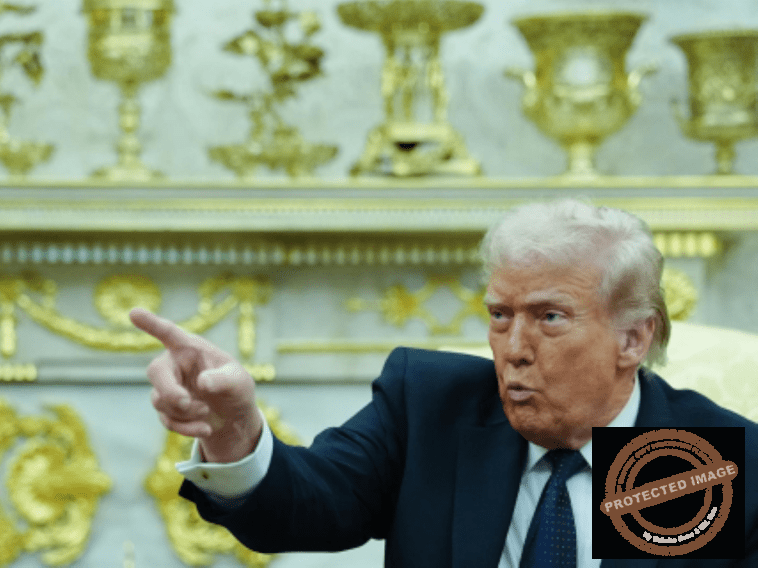
Despite the renewed hostilities, President Donald Trump insisted that the ceasefire remains intact. Speaking to reporters, Trump dismissed the latest exchange as a “love tap” and urged Iran to submit a formal proposal that could pave the way for a comprehensive peace agreement.
U.S. Secretary of State Marco Rubio said Washington is awaiting Tehran’s response to a new American framework designed to bring the conflict to a definitive end.
“We hope Iran’s response could move both sides toward serious negotiations,” Rubio said during remarks in Rome.
The Strait of Hormuz, a narrow waterway between Iran and Oman, is one of the world’s most critical energy chokepoints, carrying a substantial share of global crude oil exports. Any escalation in the region could have major implications for international oil markets and global economic stability.
In recent days, both countries have accused each other of violating the ceasefire, with repeated confrontations involving Iranian drones and U.S. naval assets. Nevertheless, Trump has expressed confidence that a negotiated settlement remains possible.
In a separate diplomatic development, Trump announced that Russia and Ukraine have agreed to a U.S.-brokered three-day ceasefire scheduled to run from May 9 to May 11, coinciding with Russia’s annual Victory Day celebrations.
The temporary truce is expected to include a large-scale prisoner exchange involving 1,000 detainees from each side and a full suspension of active combat operations. Trump described the agreement as a possible “beginning of the end” to the war, while officials in both Moscow and Kyiv reportedly confirmed the arrangement.
Meanwhile, on the domestic front, the United States Department of Defense has begun releasing previously classified files on Unidentified Anomalous Phenomena (UAPs), commonly known as UFOs.
Under Defense Secretary Pete Hegseth, the Pentagon said the records—including historical case files, infrared videos and investigative documents—are being made available through a dedicated government portal as part of a broader transparency initiative.
While many of the newly released materials remain inconclusive, the move has reignited public interest in decades of unexplained sightings and military encounters.
Global markets are closely monitoring developments in the Strait of Hormuz amid concerns that any disruption to oil shipments could trigger higher energy prices and renewed volatility.
Iran’s official response to the latest U.S. proposal is expected later today, making the coming hours crucial for determining whether diplomacy can prevail or whether the ceasefire will collapse.
This is a developing story, and more updates are expected as events unfold.

 Shola Akinyele
95 Views
Shola Akinyele
95 Views














 WhatsApp us