Breaking: High-Stakes Iran-US Peace Talks Kick Off in Pakistan – Can They Reopen the Strait of Hormuz and Stop a Global Oil Crisis?
Vice President JD Vance leads high-stakes negotiations in Islamabad to clear Iranian mines from the Strait of Hormuz and secure Tehran’s enriched uranium stockpile as the world braces for impact on global oil prices.
Imagine waking up to the news that the world’s oil lifeline might soon flow freely again — or face even worse chaos. That’s the high-wire drama unfolding right now in Islamabad, Pakistan, where senior Iranian and American teams have just sat down for urgent peace talks that could reshape the Middle East and calm jittery global energy markets.
The negotiations, which began on Saturday, aim to turn a fragile two-week ceasefire into a real, lasting peace after a short but brutal war. That conflict erupted following U.S. and Israeli strikes that tragically killed Iran’s Supreme Leader Ayatollah Ali Khamenei on February 28. The wounds are still fresh, mistrust runs deep, and the stakes couldn’t be higher.
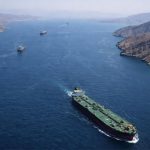
At the center of everything is the Strait of Hormuz — that narrow, critical waterway through which about 20% of the planet’s oil supply normally passes. Iranian mines and restrictions have choked shipping for weeks, causing backups, higher fuel prices, and headaches for economies everywhere. Clearing those mines and guaranteeing safe passage for all vessels, including U.S.-linked ships, is a top U.S. priority.
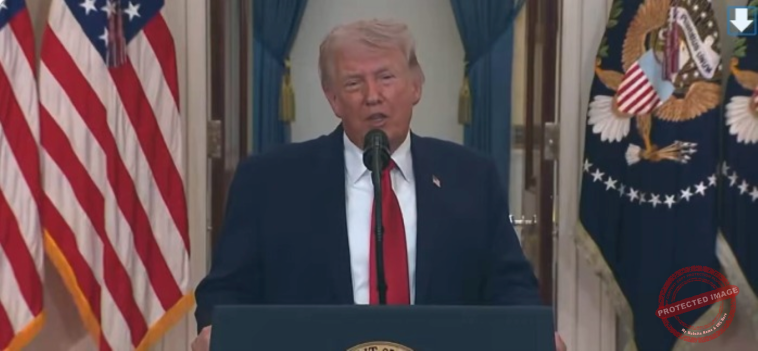
American negotiators, led by Vice President JD Vance, are also pushing hard for Iran to hand over its entire stockpile of enriched uranium. Vance, who arrived in Pakistan with cautious optimism, told reporters before departing that he expects the talks to be “positive” if Iran negotiates in good faith. He made it clear the U.S. is extending an open hand — but won’t be played.
The Iranian delegation touched down in Islamabad on Thursday and received a formal red-carpet welcome, underscoring Pakistan’s delicate but important role as mediator between two longtime adversaries.
Failure here isn’t just a diplomatic setback — it could spark renewed fighting, send oil prices skyrocketing again, and trigger broader market turmoil at a time when the global economy is already on edge. Success, on the other hand, could mark a rare breakthrough toward stability in one of the world’s most volatile regions.
As the talks unfold behind closed doors, families filling up their cars, shipping companies rerouting tankers, and governments monitoring every development are all holding their breath. Will diplomacy win the day, or will tensions boil over once more?
The next few hours and days could decide a lot more than just the future of Iran and the United States — they could determine how smoothly the world gets its energy in the months ahead.

 Shola Akinyele
125 Views
Shola Akinyele
125 Views












 WhatsApp us