
 Shola Akinyele
Follow
X
Follow
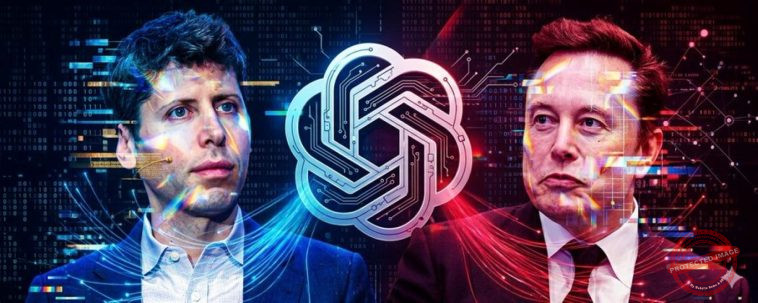
In a dramatic turn of events at a highly anticipated trial, Elon Musk, co-founder of OpenAI’s original 2015 nonprofit, has accused the company’s leaders, Sam Altman and Greg Brockman, of betraying the organization’s mission by shifting to a for-profit model with heavy backing from Microsoft investments. Musk, who is seeking to reverse the changes, claims this move has caused irreparable damage and could set a dangerous precedent for nonprofit organizations nationwide.
In a testimony that has shaken the tech world, Musk demanded that the for-profit transition be undone, OpenAI’s leadership be replaced, and $130 billion in damages be funneled back to the nonprofit’s original mission. He warned that this breach could open the floodgates for corporate raids on nonprofit organizations in the future, potentially damaging the integrity of charitable endeavors across the country.
“This isn’t just about OpenAI. This is about protecting the very foundation of what nonprofits stand for,” Musk said during his testimony.
The lawsuit stems from Musk’s claims that OpenAI’s decision to switch to a for-profit model violated the fundamental values of the organization, which was initially founded to ensure artificial intelligence was developed for the benefit of all. Musk’s allegations come after years of tension between him and OpenAI’s leadership, which eventually culminated in Musk leaving the organization in 2018 amid control disputes and conflicts with his other ventures, particularly Tesla.
OpenAI has countered Musk’s claims, asserting that Musk voluntarily left the nonprofit in 2018. The company also pointed to Musk’s later creation of a competing AI company, xAI, which it claims was a key reason for his subsequent lawsuit. OpenAI maintains that its shift to a for-profit structure was necessary to secure the funding needed to continue its ambitious AI research and development, particularly after the partnership with Microsoft in 2019.
The tech giant has expressed confidence that it followed the correct legal and ethical pathways in making these changes, despite Musk’s vocal opposition.
The trial, being presided over by Judge Yvonne Gonzalez Rogers, continues to capture attention, with key witnesses—including Sam Altman—set to testify. The case has not only ignited a fierce debate over the future of nonprofit organizations in the tech industry but has also drawn widespread attention to the growing influence of major corporations like Microsoft in shaping the direction of cutting-edge technologies such as artificial intelligence.
The outcome of the trial could have profound implications for how nonprofit entities operate in the tech world, particularly as corporate interests continue to pour money into AI research and development.
As the trial continues, the tech community remains divided on the issue. Some argue that the transition to a for-profit model was necessary to attract the investment needed to develop AI responsibly, while others, like Musk, fear that such a shift could prioritize corporate profits over public good.
“If the nonprofit mission is compromised, we risk losing the very purpose behind AI innovation,” said one industry expert, speaking under condition of anonymity.














 and then
  WhatsApp us