The growing frustration over Lagos’ chronic Bus Rapid Transit (BRT) shortages has intensified online after a viral commuter who exposed massive queues at the Ikorodu terminal declared she will not stop speaking out—despite warnings from fellow passengers urging her to remain silent.
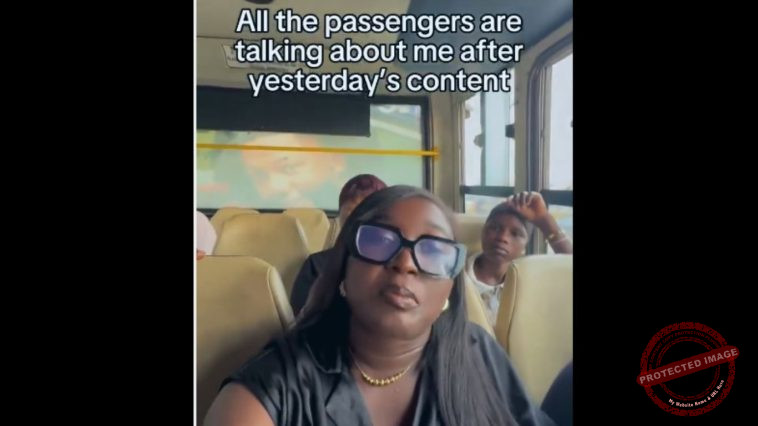
The young content creator, Oyindamola, known on social media as @dammiedammie35, sparked widespread debate after posting a follow-up video showing the tense atmosphere inside a crowded bus.
In the video, she films discreetly while wearing sunglasses, capturing the reactions of passengers around her. Text overlays reveal that many commuters were discussing her earlier viral video that criticized the shortage of BRT buses in Lagos.
According to her narration, an older female passenger confronted her directly, warning her to stop posting videos that call out the government over the lack of buses and the long hours commuters spend waiting in queues.
Despite the confrontation, Oyindamola insisted she would not back down.
“I’m feeling so sick. I left my house by 6:30 a.m. and got to the queue by 7 a.m.,” she said in the video. “You have loaded 100 buses, should we stand for two hours? I am not going to stop.”
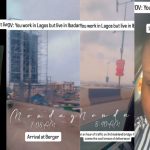
The controversy began when Oyindamola posted a video from the busy Ikorodu BRT Terminal, showing hundreds of commuters standing in long queues as early as dawn.
In the footage, she pans across a sea of frustrated workers waiting for buses, with on-screen text declaring: “Waking up early is useless in Lagos.”
The video quickly gained traction online, drawing more than 100,000 views and hundreds of comments from Nigerians who say the situation reflects the daily struggle of commuting in the state.
Many users praised her for speaking up.
“Why should she stop when the government is not doing enough?” one commenter wrote.
Others warned that her criticism could attract retaliation or restrictions on her access to public buses.
The debate comes amid rising commuter anger following a 13 percent BRT fare increase announced earlier this month by the Lagos Metropolitan Area Transport Authority.
Critics argue that the fare hike places additional financial pressure on commuters without addressing key issues such as insufficient buses, frequent breakdowns, and poor scheduling across major routes.
The Lagos Bus Rapid Transit network remains a critical transport lifeline for millions of residents, particularly those traveling from densely populated suburbs like Ikorodu to business districts on Lagos Island.
However, commuters say demand has far outpaced the available fleet, forcing many to queue for hours every morning and evening.
Urban mobility experts say the viral incident highlights deeper challenges facing Africa’s largest city, including population growth, limited transport infrastructure, and increasing economic pressure on workers.
For many Lagos residents, the daily commute now begins before sunrise and can stretch for several hours, especially for those living far from major employment hubs.
As Oyindamola’s videos continue to circulate widely on social media, they have become a symbol of growing commuter frustration and a rallying point for calls for improved public transportation services.
So far, neither the Lagos Metropolitan Area Transport Authority nor the Lagos State Government has issued an official response to the viral videos.
But as the debate intensifies, the young commuter’s message remains clear: the daily struggles of Lagos commuters deserve to be seen—and heard.

 Shola Akinyele
160 Views
Shola Akinyele
160 Views












 WhatsApp us