Senate U-Turns After Public Outcry: Nigeria Mandates Real-Time Electronic Transmission of Election Results to IReV Ahead of 2027 Polls
After nationwide protests and viral online pressure, lawmakers reverse course, compel real-time result uploads to INEC’s IReV, and introduce a manual backup to protect votes in areas with poor network coverage ahead of the 2027 elections.
In a major victory for transparency and electoral reform, the Nigerian Senate has reversed its earlier position and re-amended Clause 60 of the Electoral Act 2022 (Amendment) Bill, making real-time electronic transmission of polling unit results mandatory nationwide ahead of the 2027 general elections.
The Senate’s decision comes barely days after widespread outrage greeted its February 4 amendment that granted the Independent National Electoral Commission (INEC) discretionary powers over electronic transmission of results. That move sparked fears of possible result manipulation and renewed public distrust following controversies surrounding the 2023 general elections.
Under the newly approved amendment, presiding officers are now legally required to electronically transmit polling unit results directly to INEC’s Result Viewing Portal (IReV) immediately after results are signed, stamped, and countersigned by party agents on Form EC8A. The revised clause replaces vague and permissive wording with clear, mandatory language, closing a loophole that critics argued could undermine electoral transparency.
Crucially, the Senate also introduced a network failure safeguard to address Nigeria’s persistent connectivity challenges, particularly in rural and remote areas. Where electronic transmission is disrupted due to communication or network failure, the manually completed, signed, and stamped Form EC8A will serve as the primary and authoritative document for result collation at ward, local government, state, and national levels. Lawmakers say the provision balances technological advancement with Nigeria’s on-the-ground realities, ensuring that failed uploads do not become a pretext for manipulation or endless legal disputes.
The dramatic U-turn followed intense nationwide pressure from civil society organizations, opposition leaders, and ordinary citizens. Groups including Yiaga Africa, the Nigeria Civil Society Situation Room, and Enough is Enough Nigeria organized protests and sit-ins across the country. Prominent opposition figures such as former Vice President Atiku Abubakar and Labour Party leader Peter Obi openly criticized the Senate’s earlier stance, describing it as a “betrayal of democracy.”
Social media campaigns further amplified public anger, with hashtags like #MandatoryETransmission, #OurVotesMustCount, and #FixTheElectoralAct trending for days and forcing the issue back onto the Senate floor.
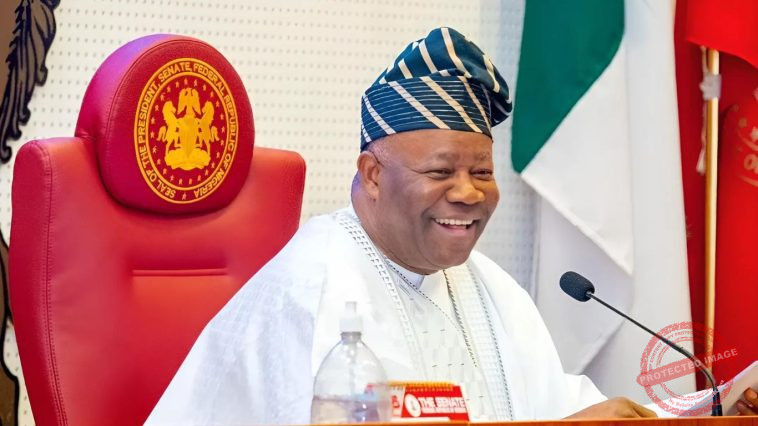
Senate President Godswill Akpabio presided over the emergency session in which the clause was reconsidered and passed with overwhelming support. Several lawmakers acknowledged that public confidence in elections had been badly shaken and that restoring trust ahead of 2027 was imperative.
Civil society groups have welcomed the amendment as a significant step forward but insist that more work remains. They are calling for clear INEC guidelines defining what qualifies as “real-time” transmission, mandatory public display of results at polling units, tougher penalties for deliberate non-compliance, and faster deployment of improved network infrastructure in underserved areas.
The amended bill has now passed third reading in the Senate and will move to concurrence with the House of Representatives, which has consistently supported mandatory electronic transmission. It will then be forwarded to President Bola Ahmed Tinubu for assent.
As Nigeria edges closer to the 2027 elections, the Senate’s reversal is widely viewed as a critical confidence-building measure and a powerful reminder that sustained citizen pressure can still influence democratic outcomes. Whether the reform ultimately delivers truly credible elections will depend on effective implementation, INEC’s preparedness, and vigilant judicial oversight—but for many Nigerians, this moment represents a rare and meaningful win for democracy.

 Shola Akinyele
227 Views
Shola Akinyele
227 Views











 and then
  WhatsApp us