NAFDAC: Chinese Counterfeiters Now Operating in Nigeria — “You Don’t Need to Go to China Anymore”
NAFDAC says some Chinese counterfeiters are now operating in Nigeria, with local production and logistics networks allegedly supplying fake and adulterated goods.
Nigeria’s food and drug regulator has raised fresh alarm over the country’s counterfeit-goods market, saying some Chinese operators previously linked to the overseas supply of fake products are now living and doing business in Nigeria.
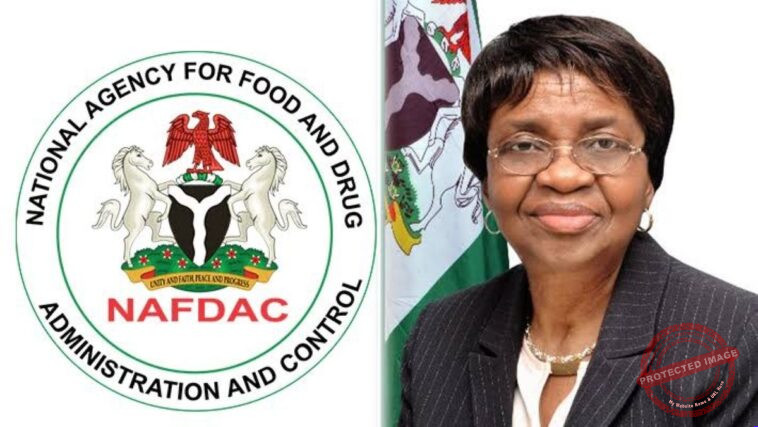
The National Agency for Food and Drug Administration and Control (NAFDAC) said the development represents a shift in the way counterfeit products enter and circulate in the Nigerian market, with some operations allegedly moving closer to consumers through local production, distribution and logistics networks.
Martins Iluyomade, NAFDAC’s Director of Investigation and Enforcement, made the disclosure in Lagos on Monday in an interview with The PUNCH, describing the development as a “new trend” in Nigeria’s fight against counterfeit products.
“Before, to fake a product, you needed to go to China to bring it. Now, you don’t need to go. They are here with us,” Iluyomade said.
According to him, some of the operators identify products with strong demand in Nigeria, arrange for counterfeit versions to be produced and then use local distribution channels to move the products into the market.
He also alleged that some of the networks have established logistics operations to facilitate the movement of counterfeit goods within Nigeria.
NAFDAC, he said, has been taking action against companies and facilities allegedly involved in the distribution of such products.
The warning comes amid growing public concern over the safety and authenticity of consumer goods sold across Nigerian markets.
Recent reports and social-media discussions have raised questions about products ranging from toothpaste and beverages to palm oil, yoghurt, apples, soy sauce, olive oil, chicken, fish and packaged water.
However, NAFDAC Director-General, Professor Mojisola Adeyeye, cautioned against treating every viral claim about a product as confirmed.
At a press briefing on Monday, Adeyeye described counterfeiters as “merchants of death” and highlighted the agency’s recent enforcement activities.
According to figures released by the agency, NAFDAC secured 64 convictions between June 2025 and June 2026, with those convicted receiving prison sentences ranging from one to seven years without the option of a fine.
The agency also said it removed 7,210 non-compliant products from 6,233 facilities between May and July.
Since 2023, Adeyeye said, NAFDAC has seized or destroyed counterfeit and substandard products estimated at more than ₦1.54 trillion.
She also cited the seizure of more than 137 40-foot truckloads of suspected fake and substandard goods from major commercial centres including Idumota, Onitsha and Aba in early 2025.
The enforcement campaign has extended to specific counterfeit toothpaste cases.
Iluyomade said NAFDAC received complaints concerning fake Oral-B and Colgate toothpaste, leading to arrests and seizures in locations including Kano, Sokoto, Delta and Onitsha.
Two suspects are also being prosecuted over the alleged importation of counterfeit toothpaste brands, according to the agency.
In another case, a court sentenced operators of a laboratory involved in producing fake drinks to five years in prison after they were convicted on eight counts.
NAFDAC officials said the 64 convictions recorded during the 12-month period represented the highest number in the agency’s history.
The latest warning also builds on NAFDAC’s longstanding concerns about counterfeit products originating from abroad.
China and India have previously been identified by the agency as major foreign sources of substandard medicines, prompting the regulator to operate a pre-shipment inspection system known as CRIA.
The agency has also warned Nigerian traders that counterfeit products can be ordered online from manufacturers and suppliers in Asian markets and transported into Nigeria through logistics and groupage cargo arrangements.
In June 2026, NAFDAC said cosmetics, food and beverages accounted for more than half of the products involved in seizures under its enforcement operations.
Recent enforcement cases have further illustrated the international nature of the counterfeit trade.
In September 2025, NAFDAC officers traced a 40-foot container originating from China, which had allegedly been falsely declared as spare parts, to a warehouse in Lagos.
The agency said the container contained 277 cartons of suspected counterfeit antimalarial medicines valued at about ₦1.2 billion.
A Nigerian suspect was arrested, while NAFDAC said the principal importer was based in China.
In October 2025, the agency also sealed two Chinese-owned supermarkets in Jabi, Abuja, alongside eight cosmetics shops in Wuse Market, over the alleged sale of unregistered products.
According to NAFDAC, the products were labelled only in Chinese, and goods valued at more than ₦170 million were evacuated during the operation.
Adeyeye stressed that the agency does not oppose legitimate foreign investment or trade but would continue to target businesses involved in the sale of unregistered, adulterated or potentially harmful products.
The counterfeit market, however, remains complex.
Investigations and independent reports have pointed to a combination of foreign manufacturers, Nigerian distributors, local traders, open drug markets, local repackaging operations and weaknesses in enforcement and prosecution.
Major commercial hubs such as Idumota, Onitsha and Aba have repeatedly featured in enforcement operations involving suspected counterfeit and unregistered products.
NAFDAC’s latest claim that some Chinese counterfeiters are now physically operating in Nigeria adds another dimension to the challenge.
However, the agency has not publicly identified in the interview the Chinese individuals it says are operating production facilities in Nigeria, nor has it provided a public list of the logistics companies allegedly connected to the operations.
That distinction is important as authorities continue their investigations.
For consumers, NAFDAC is urging Nigerians to report suspected counterfeit products rather than relying solely on viral social-media claims.
The agency advised members of the public to use its official reporting channels, including 0700-1-NAFDAC and 0800-1-NAFDAC, when they encounter suspected fake, adulterated or unregistered products.
The regulator’s broader warning is that Nigeria’s counterfeit economy is becoming increasingly organised, with production, importation, distribution and logistics potentially operating across multiple locations.
And if NAFDAC’s latest assessment is accurate, the challenge is no longer simply about counterfeit products being manufactured abroad and shipped into Nigeria.
Some of the people behind the trade, the agency says, may now be operating inside Nigeria itself.

 Shola Akinyele
47 Views
Shola Akinyele
47 Views













 WhatsApp us