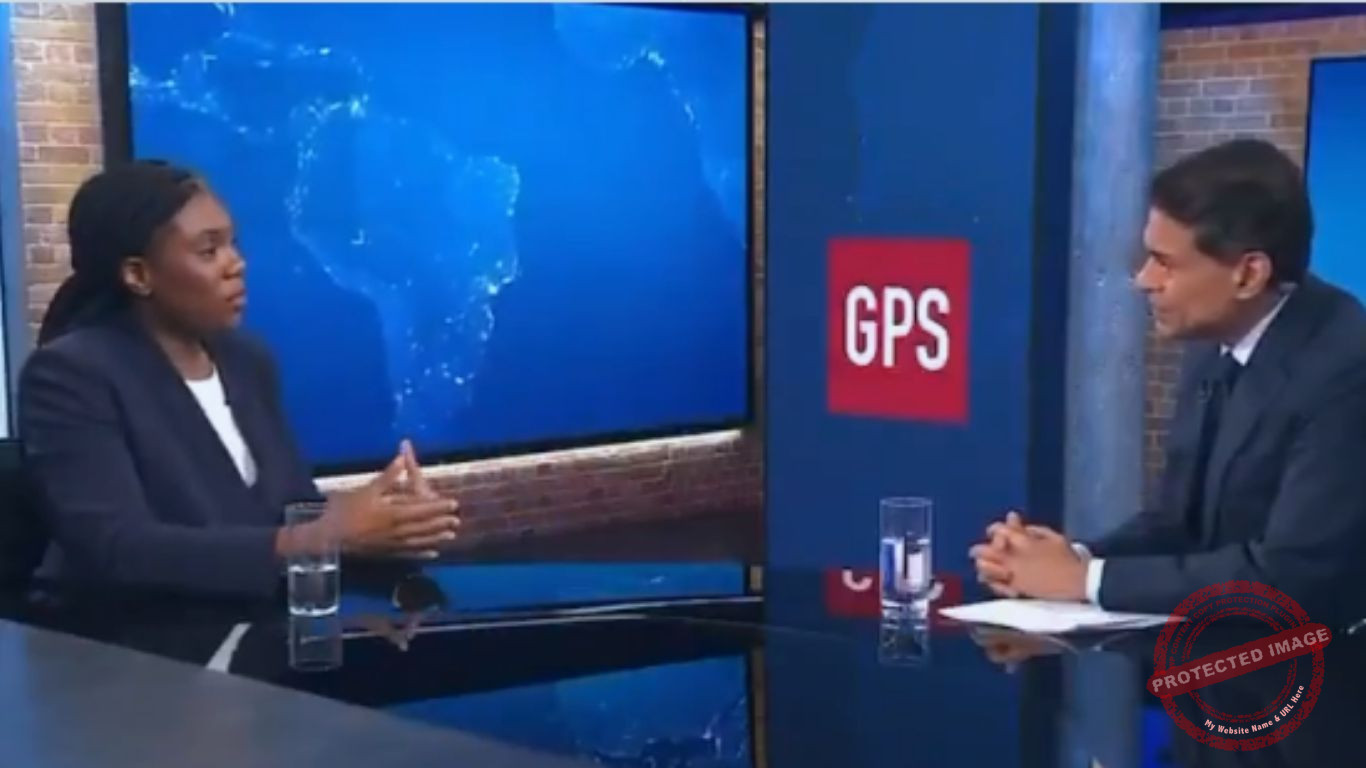
British Minister for Business and Trade, Kemi Badenoch, has stirred up a wave of criticism and legal pushback following a controversial claim that she cannot pass on her Nigerian citizenship to her children simply because she is a woman.
The remark, made during a recent interview on CNN’s Fareed Zakaria GPS, has since gone viral, igniting fierce debates across social media, particularly on X (formerly Twitter).
“It is virtually impossible to get Nigerian citizenship. I had that citizenship by virtue of my parents; I can’t give it to my children because I’m a woman,” Badenoch stated.
The statement triggered instant backlash, with legal experts and Nigerians at home and abroad citing the 1999 Constitution of the Federal Republic of Nigeria, which allows citizenship by descent through either parent.
Prominent social commentator @OneJoblessBoy (on X) was among the first to refute the claim, writing:
“Aunty Kemi, this lie too much na.”
Further clarification came from legal minds online, who pointed to Section 25(1)(c) of the Constitution, which explicitly states that a person born outside Nigeria is a citizen if either parent is Nigerian a right not limited by gender.
While some users speculated that Badenoch might have been referencing bureaucratic delays or diplomatic complexities, most viewed her statement as misleading and damaging, especially given her global platform and influence.
“This kind of misinformation from a UK minister is dangerous. Nigerian women have fought hard to be recognized equally under the law. She should correct the record,” wrote one X user.
Badenoch, who was born in the UK to Nigerian parents and spent part of her early life in Lagos, has previously made headlines for her tough stance on immigration in the UK. Critics now say she is projecting a flawed interpretation of Nigerian law, perhaps influenced by the UK’s more rigid citizenship rules.
Legal experts have also called on the Federal Ministry of Interior and the National Orientation Agency to clarify Nigeria’s citizenship laws publicly to counter misinformation and avoid further confusion.
“Nigerian women can pass on their nationality. It’s enshrined in the law. Badenoch may be mistaken, but this is an opportunity to reaffirm what the Constitution already guarantees,” said a Lagos-based constitutional lawyer.
The debate has evolved into a wider conversation about legal literacy, gender equality, and diaspora engagement with homeland policies. While some sympathize with Badenoch for possibly misunderstanding the process, many believe she owes the Nigerian public a correction or clarification.
As the firestorm continues, one thing is clear: citizenship, gender, and identity remain explosive issues, and when voiced by high-ranking officials like Badenoch, they spark not just headlines but action.