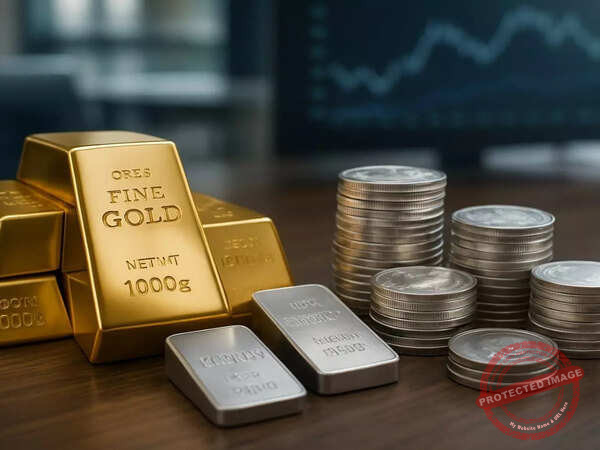
Global precious metals markets were sent reeling in a historic 36-hour sell-off that erased an estimated $7 trillion or more from gold, silver, platinum, and palladium. The dramatic correction, which unfolded between late January 29 and January 31, represents the largest metals crash in decades, abruptly ending a record-setting rally that had pushed prices to unprecedented highs earlier this month.
The sudden meltdown was triggered by President Donald Trump’s nomination of Kevin Warsh as the next Federal Reserve Chair. Warsh, a former Fed governor widely regarded as a monetary hawk, immediately boosted the US dollar, reversing expectations of ultra-loose monetary conditions. This sparked a wave of profit-taking, leveraged liquidations, and risk-off rotation, with non-yielding assets like precious metals bearing the brunt.
Silver was hit hardest, plunging 30–36% in a single day, marking its steepest fall since the Hunt Brothers crash in 1980. Prices fell from over $120 per ounce to around $78–$85, briefly dipping as low as $74–$80, wiping out an estimated $1.5–$2 trillion in market value. Gold suffered a 9–13% intraday decline, its worst drop in more than four decades, tumbling from highs near $5,600 per ounce to close around $4,850–$4,900, with intraday lows reported as low as $4,718, erasing roughly $3–$5 trillion in value. Platinum and palladium also fell sharply, losing 17–27% and 15–21% respectively, translating to hundreds of billions of dollars wiped out.
Overall, analysts estimate total losses ranging from $5 trillion to more than $10 trillion, with most placing the figure above $7 trillion.
The January rally had been fueled by safe-haven demand, central bank buying from China, India, and Turkey, strong industrial usage, and speculative positioning that drove markets into extreme overbought territory. The sudden reversal, triggered by Warsh’s hawkish nomination, was compounded by tech sector weakness, leveraged futures unwinds, and panic selling, creating a textbook “blow-off top” correction in a longer-term bull market.
By January 31, prices had partially stabilized. Spot gold was trading around $4,850–$4,900, while silver hovered near $80–$85, still far above pre-rally levels despite the extreme volatility. Many analysts describe the crash as a necessary reset rather than a collapse, pointing to ongoing supply constraints, central bank demand, and industrial use as factors supporting a recovery. Forecasts from major banks still project gold returning to $5,000–$6,000-plus later in 2026, while silver may face short-term pressure but retains strong long-term fundamentals.
The shockwaves extended beyond metals, with Bitcoin and other cryptocurrencies dipping amid risk-off sentiment and leverage unwinds, though key support levels around $80,000 held firm. Analysts suggest capital could rotate back into risk assets if the dollar’s strength moderates.
The historic plunge is a stark reminder that even assets long seen as crisis-proof safe havens can experience extreme volatility when sentiment shifts abruptly. While the sell-off rattled markets worldwide, it has not shattered the long-term bullish case for precious metals, and many experts view this correction as a potential springboard for future gains. Markets remain hyper-volatile, and prices continue to fluctuate. This report is observational and for informational purposes only, not investment advice.

 Shola Akinyele
52 Views
Shola Akinyele
52 Views













 WhatsApp us
Comments