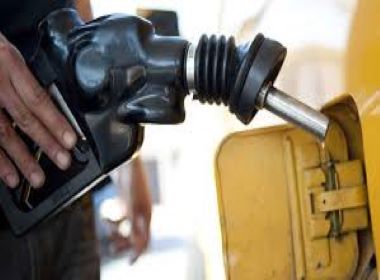
Nigerian motorists are facing another round of petrol price increases after the Dangote Petroleum Refinery raised its Premium Motor Spirit (PMS) gantry price by ₦65 per litre, pushing the ex-depot rate from ₦1,200 to ₦1,265.
The latest adjustment, announced on August 29, 2026, has already triggered fresh increases at filling stations, with petrol now selling for as much as ₦1,310 per litre in parts of Lagos and surrounding areas.
The development marks the third price increase by the refinery in just eight days, bringing the cumulative increase since August 21 to about ₦100 per litre, or roughly 8.6 per cent.
The refinery also increased its coastal price, with the cost rising from about ₦1.582 million to ₦1.670 million per metric tonne.
Retail outlets, including MRS and stations linked to the Dangote refinery, reportedly moved quickly to adjust their pump prices. Stations that had previously sold petrol within the ₦1,205–₦1,250 range in some parts of Lagos have raised prices towards ₦1,310 per litre.
The latest increase is also expected to put pressure on pump prices in other parts of the country as marketers review their acquisition, transportation and operating costs.
The development has raised questions among consumers because the latest domestic increase comes at a time when international crude oil prices have softened from their recent highs.
OPEC basket crude was recently reported at around $87.31 per barrel, while Brent crude remained in the high-$80 range and West Texas Intermediate (WTI) traded in the low-to-mid $80s. Some market reports also indicated declines of about five per cent during the preceding period.
However, the relationship between crude prices and the price Nigerians pay for petrol is not immediate or one-to-one.
Industry operators say several other factors influence the domestic price of petrol, including the naira-dollar exchange rate, product acquisition costs, transportation, storage, financing and inventory replacement costs.
Even with the Dangote refinery producing locally, Nigeria continues to receive imported petrol, meaning international shipping costs, foreign exchange movements and import economics remain relevant to the domestic market.
Another factor is the cost of replacing existing inventory. Marketers who purchased products at higher prices may continue selling based on the prevailing replacement cost rather than simply adjusting prices according to the latest movement in crude oil.
The continued presence of imported petrol in the Nigerian market has also added another layer to the pricing equation. Recent supply data indicated that imports still accounted for a significant proportion of domestic petrol supply, despite increasing output from the Dangote refinery.
Dangote has previously raised concerns about petrol imports affecting domestic demand and supply planning as the refinery seeks to expand its share of the Nigerian market.
For ordinary Nigerians, however, the latest increase is likely to have consequences far beyond the filling station.
Petrol remains a major component of Nigeria’s transportation and distribution system. An increase in pump prices can quickly translate into higher fares for commuters, increased logistics costs and more expensive transportation of food and other essential goods.
Households that depend on petrol-powered generators are also likely to face higher energy expenses, adding to the financial pressure created by the country’s already elevated cost of living.
Commercial drivers and transport operators may similarly seek fare increases to compensate for higher fuel and maintenance costs.
The latest development highlights the new reality of Nigeria’s deregulated downstream petroleum market, where pump prices are increasingly influenced by market forces rather than a government-controlled uniform price.
While the emergence of a major domestic refinery has improved Nigeria’s ability to produce petrol locally and reduce dependence on imports, consumers remain exposed to fluctuations in crude oil prices, foreign exchange, distribution costs and market competition.
With the latest Dangote adjustment already reflected at several filling stations, motorists are now watching closely to see whether other marketers follow with additional increases or whether competition eventually forces prices lower.
For now, the immediate outlook remains uncertain, with the direction of petrol prices likely to depend on the naira’s performance, crude oil movements, refinery pricing decisions, import volumes and the cost of moving products across the country.